9 Documentaries and Shows That Will Change the Way You Think About Shopping
Have you ever bought something you were excited about, only to forget about it a few weeks later?
A new outfit that stayed in the closet.
A kitchen gadget that seemed useful but was rarely used.
A beauty product you bought because everyone was talking about it.
Modern shopping is designed to make us want more. More choices, more upgrades, more “must-have” products.
But sometimes, the best way to save money is not learning another budgeting trick.
It is understanding why we buy.
The way we spend money is deeply connected to our emotions, habits, environment, and the messages we see every day. Once we become more aware of these influences, we can start making more intentional choices.
These documentaries and shows explore minimalism, consumer psychology, decluttering, and the hidden forces behind modern shopping.
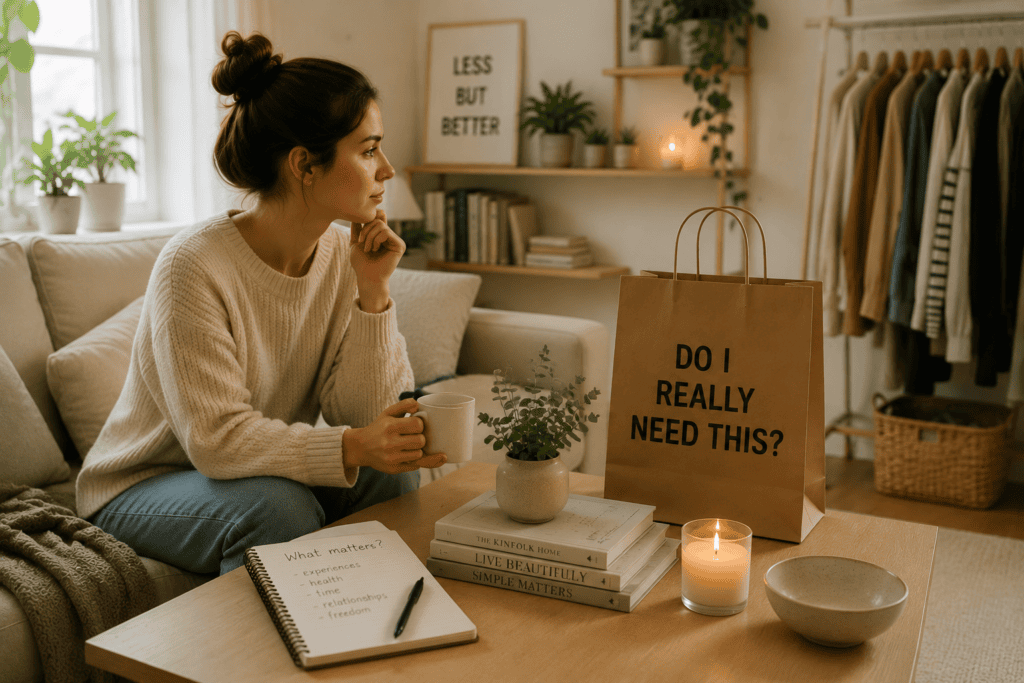
They may not make you stop buying forever, but they might make you pause before your next purchase and ask:
“Do I really need this, or am I simply being encouraged to want it?”
1. Minimalism: A Documentary About the Important Things (2015)
Genre: Documentary
Country: United States
If you are interested in minimalist living, this is one of the best places to start.
The documentary follows Joshua Fields Millburn and Ryan Nicodemus, known as The Minimalists, as they explore a simple question:
Can we live a better life with fewer things?
The film challenges the common belief that success means owning more — a bigger house, more expensive products, and a constantly upgraded lifestyle.
Instead, it explores how reducing unnecessary possessions can create more space for:
- relationships
- experiences
- personal growth
- freedom
Why it matters:
Many people don’t buy things because they need them.
They buy because they are searching for comfort, identity, confidence, or happiness.
This documentary encourages you to look beyond the object itself and ask: “What am I really looking for?”
Key takeaway:
A meaningful life is not created by having more things.
It is created by having more of what truly matters.
2. The Minimalists: Less Is Now (2021)
Genre: Documentary
Platform: Netflix
This documentary continues the conversation about minimalism and focuses on one important idea: Consumer culture often convinces us that we are missing something.
Many purchases begin with a feeling: “I need this to make my life better.”
But after buying it, the excitement often disappears quickly, and we start looking for the next thing.
The film explores how modern advertising, social expectations, and comparison culture encourage people to consume more than they need.
Why it matters:
Minimalism is not about owning the fewest things.
It is about removing distractions so you can focus on the things that bring real value.
Key takeaway:
Buying less is not about restriction. It is about creating more freedom.
3. Buy Now! The Shopping Conspiracy (2024)
Genre: Documentary
Platform: Netflix
This documentary takes a closer look at how modern companies encourage constant consumption.
From fast fashion to disposable products, it explores how businesses create systems that keep people buying more.
The film raises questions about:
- planned consumption
- marketing psychology
- product cycles
- the environmental impact of overconsumption
Why it matters:
Many people believe they are making completely independent shopping decisions.
But our choices are influenced by:
- advertisements
- social media trends
- limited-time offers
- influencer culture
Understanding these influences helps us become smarter consumers.
Key takeaway:
The first step toward spending less is becoming aware of what influences your decisions.
4. Tidying Up with Marie Kondo (2019)
Genre: Reality Show
Platform: Netflix
Marie Kondo became famous around the world with her simple question: “Does this spark joy?”
In this series, she helps families organize their homes by carefully deciding what they truly want to keep.
Although it looks like a cleaning show, the deeper message is about our relationship with possessions.
Many items in our homes represent:
- memories
- emotions
- past versions of ourselves
- expectations
Why it matters:
A cluttered home often creates mental clutter.
When we own fewer things that truly serve us, everyday life can feel calmer and easier.
Key takeaway:
Decluttering is not just about removing things.
It is about making space for the life you want.
5. My Stuff (Tavarataivas) (2013)
Genre: Documentary
Country: Finland
This documentary follows an unusual experiment.
The creator puts all of his belongings into storage and allows himself to take back only one item per day for an entire year.
At the beginning, he realizes how attached he is to things.
But as time passes, he discovers something surprising:
He needs far fewer possessions than he imagined.
Why it matters:
Many of us underestimate how much we already have.
We often buy new things because we forget what we own, not because we truly need them.
Key takeaway:
The question is not: “How much can I buy?”
The better question is: “How much do I actually need?”
6. The True Cost (2015)
Genre: Documentary
Fast fashion makes clothing cheaper and easier to buy than ever before.
But this documentary explores the hidden cost behind inexpensive clothing.
It examines:
- factory conditions
- environmental impact
- the real cost of producing cheap fashion
Why it matters:
Cheap does not always mean affordable. Sometimes the lowest price hides costs we do not immediately see.
The documentary encourages viewers to think differently about clothing:
- Buy fewer pieces
- Choose items that last longer
- Value quality over quantity
Key takeaway:
A smarter wardrobe is not about owning more clothes.
It is about owning pieces you truly use and love.
7. The Truth About Looking Good(2018)
Genre: Documentary
Platform: BBC
The beauty industry is built around one powerful message: “You need something more.”
A different cream.
A newer product.
A better formula.
This documentary explores how beauty marketing influences the way we think about appearance, aging, and self-confidence.
Why it matters:
The beauty industry is one of the biggest areas where people spend money emotionally.
Many purchases are not about solving a real problem.
They are about selling the feeling of becoming a better version of yourself.
Key takeaway:
Taking care of yourself does not require endless products.
Sometimes simplicity is the most sustainable form of self-care.
8. Hoarders (2009–Present)
Genre: Reality Series
Country: United States
Hoarders is a powerful look at the emotional relationship people can develop with possessions.
The show follows individuals whose homes have become overwhelmed by accumulated belongings.
While the situations can feel extreme, the deeper lesson is universal: Our relationship with things can become complicated.
Why it matters:
Most people are not hoarders, but many of us experience smaller versions of the same pattern:
- keeping things “just in case”
- buying duplicates
- struggling to let go
Key takeaway:
Possessions should support your life.
They should not control your life.
9. The Social Dilemma (2020)
Genre: Documentary
Platform: Netflix
While this documentary is not specifically about shopping, it explains one important part of modern consumer behavior: How technology influences our attention and decisions.
Social media platforms are designed to keep us engaged.
And constant exposure to:
- trends
- influencers
- lifestyle content
- advertisements
can quietly change what we want.
Why it matters:
Sometimes we are not buying because we need something.
We are buying because we have been reminded repeatedly that we should want it.
Key takeaway:
Protecting your attention is also protecting your money.

Before You Buy Something New, Ask Yourself These Questions
After watching these documentaries, you may start noticing your own shopping patterns.
Before making a purchase, try asking:
1. Do I need this, or do I simply want the feeling it represents?
Maybe you don’t need a new outfit. Maybe you want confidence.
Maybe you don’t need a new home decoration. Maybe you want your space to feel more peaceful.
Understanding the real need helps you make better choices.
2. Will I still want this six months from now?
A little waiting time can prevent many unnecessary purchases.
3. Is this adding value to my life?
More things do not automatically create a better life.
Sometimes they create more:
- maintenance
- clutter
- expenses
- stress
A Better Relationship With Shopping
Saving money is not about never spending. It is about spending with awareness.
A minimalist lifestyle does not mean living with nothing. It means choosing carefully.
It means:
Buying things you truly value.
Creating a home that supports your life.
Using your money for experiences and goals that matter.
The goal is not to remove joy from shopping.
The goal is to stop buying things that only create temporary excitement.
Because the richest life is not always the one with the most possessions.
It is the one where your money, time, and energy are spent on what truly matters.
A Note From SmileGrows
Is this financial advice?
No. The content on SmileGrows is intended for general educational and informational purposes only. It does not constitute financial, investment, tax, legal, or other professional advice.
How accurate is the information?
I do my best to research and verify the information I share, but mistakes, outdated information, missing context, or incorrect interpretations can happen. When discussing financial figures or company developments, please refer to the original sources for the most current information.
What if I find an error?
Please let me know! I genuinely welcome corrections, suggestions, and thoughtful feedback. If you spot an error, outdated information, or an incorrect attribution, I’d be happy to review it and make corrections when appropriate.
Can I make financial decisions based on these articles?
Nothing on SmileGrows constitutes financial, investment, tax, legal, or other professional advice. Please do your own research and consult a qualified professional when making financial decisions. When discussing companies, financial figures, or other factual claims, please refer to the original sources for the most authoritative and up-to-date information.