Should You Leave Your Air Conditioner On All Day? Here’s What Actually Saves Money
Last summer, our electricity bill arrived, and I stared at it for a few seconds before opening it.
It was much higher than I expected.
Like many people, my first instinct was to blame the air conditioner.
After all, it had been one of the hottest summers in years, and the AC had been running almost every day.
That’s when I started asking a simple question.
Should I leave the air conditioner running all day, or should I turn it off every time I leave the house?
The answers I found were completely different.
Some people insisted that turning it off always saves money.
Others claimed it was cheaper to leave it running all day because restarting the system uses more electricity.
So which one is actually true?
The answer is a little more nuanced.
Modern air conditioners are designed to run for long periods during hot weather, but that doesn’t automatically mean leaving them on all day is the most efficient choice.
The smartest approach depends on a few simple factors, including how long you’ll be away, how well your home is insulated, and how efficiently your cooling system is running.
Let’s clear up some of the biggest myths.
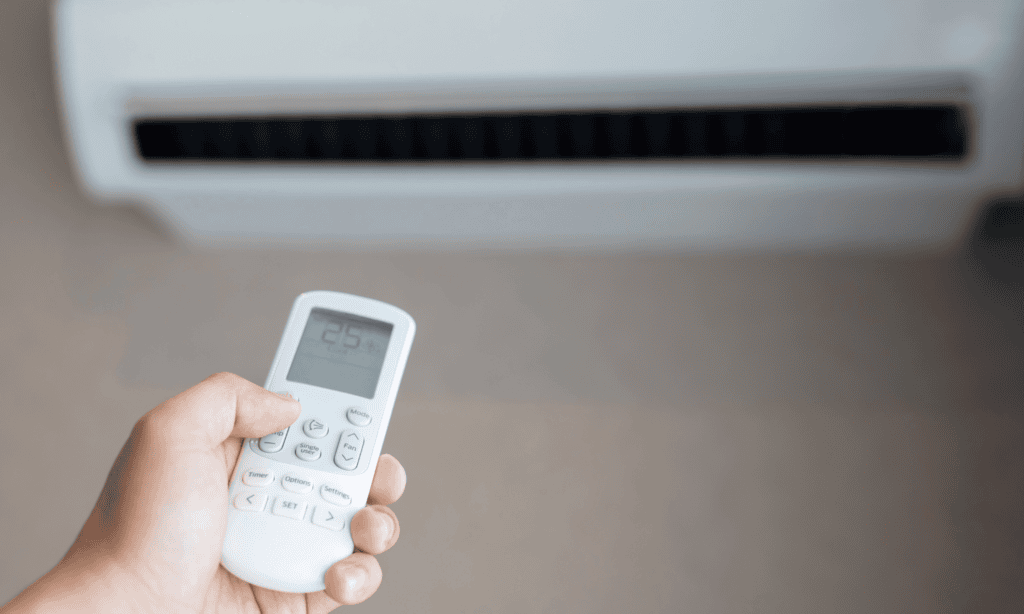
Myth #1: Leaving Your AC On All Day Is Always Cheaper
This is probably the most common piece of advice you’ll hear.
The truth?
Not always.
An air conditioner uses the most energy while it’s actively cooling your home—not because it has been running for several hours.
If your house is empty all day, keeping your home cool for nobody usually isn’t the most economical option.
On the other hand, if you’re only stepping out for a short time, turning the system off completely may not save much at all.
When you return, your AC has to cool a much hotter house, which can require a longer cooling cycle.
The key isn’t choosing one rule for every situation.
It’s matching your cooling strategy to your daily routine.
A Better Question to Ask
Instead of asking: “Should I leave my AC on?”
Try asking: “How long will I be away?”
That one question usually leads to a much better decision.
How Long Will You Be Away?
There’s no single answer that works for everyone, but these general guidelines can help.
Leaving for Less Than an Hour
If you’re running a quick errand, walking the dog, or picking up groceries, it’s usually fine to leave your air conditioner running.
Rather than turning it off, consider raising the thermostat by a degree or two.
Your home stays comfortable, and the system won’t have to work as hard when you return.
Leaving for Two to Four Hours
If you’ll be gone for a few hours, increasing the thermostat temperature is often a practical compromise.
Your home won’t become excessively hot, but your air conditioner won’t spend the afternoon working harder than necessary.
Many people find this approach offers a good balance between comfort and energy savings.
Leaving for Most of the Day
If everyone will be out at work or school for eight hours or more, turning the air conditioner off—or using a programmable schedule—is often the more energy-efficient option.
Cooling an empty house for an entire day rarely makes financial sense.
If you have a programmable or smart thermostat, you can set it to begin cooling shortly before you normally arrive home.
That way, you return to a comfortable house without paying to cool it all day.
Going Away for Several Days
If you’re traveling, there’s usually no reason to keep your home at your normal living temperature.
Instead of turning the system off completely in very hot climates, many homeowners choose a higher temperature setting that protects the home while using much less electricity.
This can also help reduce indoor humidity without unnecessarily increasing your energy bill.
What’s the Best Thermostat Setting?
One of the easiest ways to reduce your cooling costs has nothing to do with how many hours your AC runs.
It’s the temperature you choose.
Many energy experts recommend setting your thermostat to around 78°F (26°C) when you’re home during summer if that temperature feels comfortable for your household.
That recommendation surprises many people.
After all, wouldn’t setting the thermostat to 68°F cool the house faster?
Actually, no.
An air conditioner cools at roughly the same rate regardless of the temperature you select.
Choosing a much lower temperature simply tells the system to keep running longer.
That means more electricity, higher utility bills, and often a home that’s colder than necessary.
Instead of aiming for the coldest possible house, aim for the most comfortable temperature that still feels pleasant.
Your wallet will notice the difference.
Don’t Forget About Ceiling Fans
One of my favorite energy-saving habits doesn’t involve changing the thermostat at all.
It involves turning on a ceiling fan.
There’s one important thing many people don’t realize:
Ceiling fans don’t cool rooms. They cool people.
The moving air helps sweat evaporate from your skin, making you feel cooler even though the room temperature hasn’t changed.
That means you may be able to raise your thermostat a few degrees while still feeling just as comfortable.
Just remember to turn the fan off when you leave the room.
Unlike an air conditioner, a ceiling fan doesn’t lower the air temperature, so there’s no benefit to running it in an empty room.
Stop Heat Before It Enters Your Home
Sometimes the cheapest way to use less air conditioning isn’t changing the air conditioner at all.
It’s keeping the heat outside.
During the hottest part of the afternoon, close curtains or blinds on windows that receive direct sunlight.
If you’ve ever touched a sun-facing window on a hot summer day, you already know how much heat can enter your home.
Blocking that sunlight helps reduce indoor temperatures naturally, allowing your air conditioner to cycle less often.
If your evenings are cooler, opening windows after sunset can also help bring fresh air into your home before relying on the AC overnight.
Small habits like these often have a bigger impact than people expect.
So Far, What’s Worth Remembering?
If you only remember four things from this article, make them these:
- There’s no rule that says your air conditioner must be turned off after a certain number of hours.
- How long you’re away matters more than how long the AC has been running.
- A thermostat setting around 78°F (26°C) is a good starting point for balancing comfort and efficiency.
- Helping your home stay cool naturally can reduce how hard your AC needs to work.
The good news is that lowering your electricity bill doesn’t usually require sacrificing comfort.
In most cases, it simply means using your cooling system a little more intentionally.
Keep Your Air Conditioner Working Efficiently
One of the biggest surprises for me was realizing that lowering an electricity bill isn’t always about using the air conditioner less.
Sometimes it’s simply about helping it work more efficiently.
A well-maintained system doesn’t have to work as hard to keep your home comfortable—and that can make a noticeable difference over an entire summer.
Replace Your HVAC Filter Regularly
If you only do one maintenance task this summer, make it this one.
A dirty air filter restricts airflow, forcing your air conditioner to work harder to move cool air through your home.
That means longer cooling cycles, more electricity, and unnecessary wear on the system.
How often you should replace the filter depends on your home.
If you have pets, allergies, or live in a dusty area, you may need to replace it more often than someone living alone.
When in doubt, check the filter once a month during peak cooling season.
It’s a small habit that can improve both energy efficiency and indoor air quality.
Is a Smart Thermostat Worth It?
A few years ago, I thought smart thermostats were one of those gadgets that sounded nice but weren’t really necessary.
Now I understand why so many homeowners recommend them.
A smart thermostat can automatically adjust your home’s temperature based on your schedule.
Instead of cooling an empty house all afternoon, it can raise the temperature while you’re away and start cooling again before you return.
Many models also provide energy reports that help you understand how your heating and cooling habits affect your electricity use.
If your schedule is fairly predictable, a smart thermostat may eventually pay for itself through lower energy costs.
Of course, it’s not essential.
You can achieve many of the same savings simply by remembering to adjust your thermostat before leaving home.
Technology just makes the habit easier.
5 Common AC Mistakes That Quietly Increase Your Electricity Bill
Most expensive electricity bills aren’t caused by one major mistake.
They’re usually the result of several small habits that seem harmless on their own.
Here are a few of the most common ones.
1. Setting the Temperature Extremely Low
Many people believe setting the thermostat to 60°F (16°C) will cool the house faster.
It won’t.
Your air conditioner cools at roughly the same rate regardless of the temperature you choose.
The lower setting simply keeps the system running longer after your home reaches a comfortable temperature.
2. Ignoring Air Leaks
If cool air is constantly escaping through gaps around windows or doors, your air conditioner has to replace that lost cool air over and over again.
Simple weather stripping or sealing obvious leaks is often one of the most affordable ways to improve efficiency.
3. Skipping Regular Maintenance
Like any appliance, an air conditioner performs best when it’s properly maintained.
A yearly inspection can help identify small problems before they become expensive repairs.
It may also improve the system’s efficiency throughout the hottest months of the year.
4. Blocking Air Vents
It’s surprisingly common for furniture, rugs, or curtains to block air vents without anyone noticing.
Restricted airflow forces the system to work harder while making some rooms feel warmer than others.
A quick walk through your home to check vents only takes a few minutes.
5. Forgetting About Humidity
Sometimes your house doesn’t actually feel hot.
It feels humid.
Using bathroom exhaust fans after showers, kitchen exhaust fans while cooking, or even a dehumidifier in damp climates can help your air conditioner work more effectively because dry air often feels cooler than humid air.
Signs Your Air Conditioner May Need Attention
If your air conditioner seems to run constantly but your home never feels comfortable, the problem may not be your thermostat.
It could be your system asking for maintenance.
Here are a few signs it’s worth having your AC checked by a qualified HVAC technician:
- Your home never reaches the temperature you’ve selected.
- Your electricity bill suddenly increases without a clear reason.
- Airflow from the vents feels much weaker than usual.
- You hear unusual noises or notice strange smells.
- The system turns on and off frequently in short cycles.
- Some rooms stay much warmer than others.
Small problems are usually much easier—and less expensive—to fix than major breakdowns.
Quick Summer Cooling Checklist
Before the next heatwave arrives, take a minute to see how many of these habits you’re already practicing.
✅ Set your thermostat to a comfortable, energy-efficient temperature.
✅ Raise the temperature when you’ll be away for several hours.
✅ Replace or check your HVAC filter regularly.
✅ Keep air vents clear of furniture and clutter.
✅ Close curtains or blinds during the hottest part of the day.
✅ Use ceiling fans to help you feel cooler.
✅ Seal noticeable drafts around doors and windows.
✅ Schedule annual HVAC maintenance.
✅ Review your electricity bill each month to spot unusual increases.
You don’t need to check every box today.
Choose one or two habits to start with.
Simple changes are much easier to maintain than trying to overhaul everything at once.
Final Thoughts
When people ask whether they should leave their air conditioner running all day, they’re usually asking a much bigger question: “How can I stay comfortable without wasting money?”
The good news is that those two goals don’t have to compete.
Modern air conditioners are built to run for long periods during hot weather.
The real secret isn’t worrying about how many hours the system has been on. It’s making sure it’s running efficiently. A sensible thermostat setting. A clean air filter. A home that’s well sealed against outdoor heat. A cooling schedule that matches your daily routine.
None of those changes are dramatic. But together, they can make your home feel more comfortable while helping reduce your monthly electricity bill.
At the end of the day, saving money isn’t about making yourself uncomfortable.
It’s about using your home—and the energy it needs—a little more intentionally.
Small habits may not seem exciting.
But over an entire summer, they often add up to bigger savings than most people expect.
You might also like to know:
- 30 Easy Ways to Lower Your Electricity Bill Without Changing Your Lifestyle
- 100 Simple Ways to Live Well on a Budget
- A 3-Hour Financial Reset: Organize Your Money and Reduce Financial Stress
- 16 Everyday Money Habits That Quietly Drain Your Wealth
- 25 Things That Quietly Drain Your Wealth (Even If They Look Like Good Purchases)
- 45 Ways to Build Income Streams and Create More Financial Freedom
A Note From SmileGrows
Is this financial advice?
No. The content on SmileGrows is intended for general educational and informational purposes only. It does not constitute financial, investment, tax, legal, or other professional advice.
How accurate is the information?
I do my best to research and verify the information I share, but mistakes, outdated information, missing context, or incorrect interpretations can happen. When discussing financial figures or company developments, please refer to the original sources for the most current information.
What if I find an error?
Please let me know! I genuinely welcome corrections, suggestions, and thoughtful feedback. If you spot an error, outdated information, or an incorrect attribution, I’d be happy to review it and make corrections when appropriate.
Can I make financial decisions based on these articles?
Nothing on SmileGrows constitutes financial, investment, tax, legal, or other professional advice. Please do your own research and consult a qualified professional when making financial decisions. When discussing companies, financial figures, or other factual claims, please refer to the original sources for the most authoritative and up-to-date information.