How to Choose a Blog Niche: A Practical Guide for Beginners
If you’re wondering how to choose a blog niche, here’s the first thing I’d tell you: Don’t start by asking, “What niche makes the most money?”
Start by asking: “What problem do I want to spend the next few years helping people solve?”
I know that sounds less exciting. It might even sound like a detour. But it can save you months of second-guessing yourself.
When I started building SmileGrows, I didn’t magically know what the site would become. I had a lot of interests, a lot of half-formed ideas, and honestly more possible topics than I could ever realistically write about.
And that’s the part nobody really warns you about before you start a blog, the hard part isn’t finding ideas. It’s choosing which ones to let go of.

This is already a simplified version; previously, it even included categories like parenting.
If you’re starting from scratch, here’s the framework I actually use.
What I Actually Struggled With: For a while I kept a running note titled “possible SmileGrows topics” that just kept growing, budgeting, side hustles, investing basics, productivity, even a phase where I considered writing about minimalism. Every time I added something new, the site felt less clear in my own head, not more. It wasn’t until I stopped adding and started cutting that things actually got easier to plan.
1. What Is a Blog Niche?
A blog niche is simply the specific area your website focuses on.
For example:
- Personal finance
- Travel
- Home organization
- Fitness
- Parenting
- Career development
- Technology
- Food
- Gardening
But these categories are still fairly broad.
“Personal finance” could include:
- Budgeting
- Saving money
- Investing
- Credit cards
- Debt
- Side hustles
- Financial psychology
- Retirement
A useful niche narrows that down enough that your site has a recognizable identity. It tells a reader, at a glance, “this is what you can expect to find here.”
2. Don’t Make Your Niche Too Narrow
There’s a piece of blogging advice floating around that says you should niche down as much as humanly possible. Sometimes that’s genuinely helpful. I think beginners can also take it too far.
Imagine someone starting a finance blog who decides: “personal finance is too broad, I’ll only write about budgeting for single mothers in their thirties who live in one specific city.” That’s certainly specific. It’s also a pool of topics so small you’ll run dry within a few months.
Instead, I think in terms of a topic neighborhood rather than a single point. You want enough focus that your site has an identity, and enough room that you don’t box yourself in.
That’s how I think about SmileGrows. The site focuses on money, but that doesn’t mean I have to write about one tiny financial question forever.
I can talk about:
- Making money
- Side hustles
- Saving
- Budgeting
- Money basics
- Financial thinking
- Money mindset
There’s a clear theme. But there’s still room to build.
3. Start With Problems, Not Topics
This is probably the single most useful mental shift you can make. Instead of “I want to blog about money,” ask “what money problems can I actually help someone solve?”
Suddenly your ideas get sharper.
“I never seem to have enough money” turns into articles like how to build a budget that actually holds up, the small expenses quietly wrecking your budget, or how to cut spending without feeling like you’re punishing yourself.
“I want to make extra money” turns into side hustles for beginners, how to start freelancing, or how to make money online without an existing audience.
Nobody wakes up thinking “I need some content about personal finance today.” They wake up thinking “how am I going to pay this bill” or “why do I always feel broke.” Problems create content. Topics, on their own, don’t.

4. Use the Four-Part Niche Test
When I’m considering a topic, I like to look at four things.
1. Interest
Can I keep learning about this?
2. Demand
Are people actually looking for information about it?
3. Content Potential
Can I come up with 50–100 useful article ideas?
4. Monetization
Are there ethical ways to eventually make money from the audience?
You don’t need a perfect score across all four. But if one is completely missing, that’s worth noticing.
You might absolutely love collecting seashells, but if you can only think of eight articles about it and there’s no business model you’d actually want to build, it’s probably better left as a hobby.
And honestly, not every passion needs to become a business. That’s fine.
5. Search for Your Niche Before You Commit
Before locking anything in, I do some basic, unglamorous research. Search Google for your topic.
Look at:
- What questions people ask
- What websites already exist
- What articles appear repeatedly
- What topics seem underserved
- What products or services exist around the topic
You don’t need expensive SEO software at this stage. You are simply trying to understand the landscape.
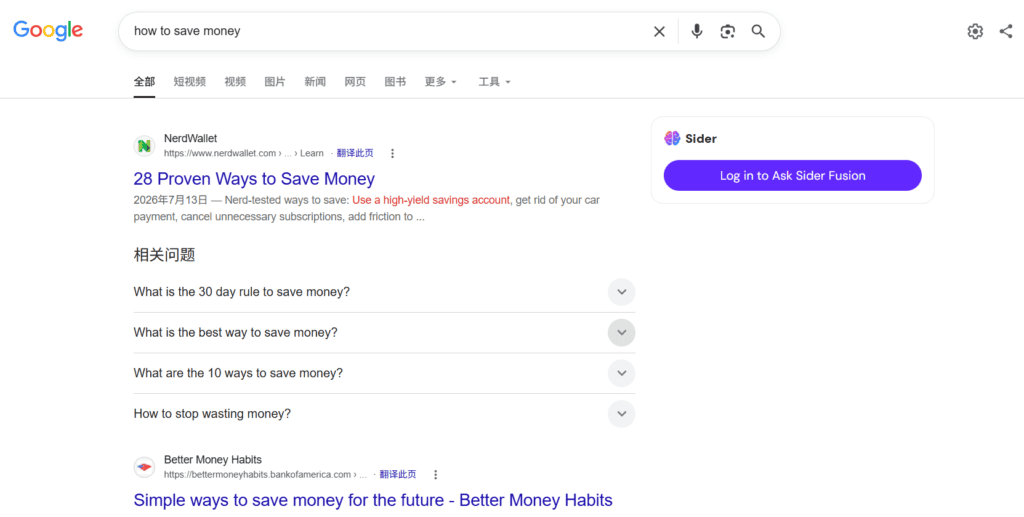
When I research topics for SmileGrows, I’m not only looking at search volume. I’m asking myself whether I can actually make the information more useful than what’s already out there.
If ten sites already answer a question well, publishing an eleventh nearly identical version isn’t much of a strategy.
6. Think About Monetization Early — But Don’t Obsess Over It
If your goal is a real business, monetization matters. But it shouldn’t drive every single article.
A blog can eventually make money through:
- Affiliate marketing
- Advertising
- Digital products
- Services
- Sponsorships
- Courses
- Memberships
- Your own products
SmileGrows already has an Affiliate Marketing content cluster covering exactly this kind of path.
[What Is Affiliate Marketing? A Beginner’s Guide to Building Passive Income Online]
But I don’t want every single post to read like “here’s a product you should buy.” That erodes trust fast. The better order is: help first, and let monetization show up where it genuinely fits.
7. Your Niche Can Change
This is something I wish more beginners understood. Choosing a niche isn’t signing a lifetime contract. You can refine it. You can expand it. You can remove topics. You can change direction.
That’s exactly what’s happened with SmileGrows, the site has evolved as I’ve learned more about what I actually want to build and who I want to help.
That’s not failure. That’s building. Think of your first niche as a hypothesis: “I think this is the audience I can help.”
And let your content and your readers’ actual behavior give you better information over time.
8. A Simple Exercise
If you’re completely stuck, grab a piece of paper and make four columns: what I know, what I enjoy, problems people have, and ways it could make money.
| What I Know | What I Enjoy | Problems People Have | Ways It Could Make Money |
|---|
Then start filling it in.
Don’t try to make it perfect. Write down everything.
You might discover an intersection you’ve never noticed before.
For example: Writing + Finance + Beginners’ questions + Affiliate products, could become a personal finance blog.
Or: Organization + Parenting + Printable products + Busy families, could become a family organization website.
The answer isn’t always obvious immediately. That’s okay.
9. The Best Niche Is One You Can Actually Keep Writing About
This might be the most important point in this entire article. You can find a niche with:
- High search volume
- Expensive products
- Great affiliate programs
- Low competition
But if you hate writing about it, eventually you’ll stop. And a blog with no new useful content doesn’t have much of a future.
So before choosing a niche, ask yourself: Could I write 50 genuinely useful articles about this? If the answer is yes, you’re probably onto something.
What I’d Do If I Were Starting Today
I wouldn’t spend three months trying to find the perfect niche. I’d choose a clear direction. I’d research the audience. I’d create 20–30 article ideas. Then I’d start publishing.
Because eventually, the market gives you information that brainstorming can’t.
You discover:
- Which topics attract readers
- Which articles get clicks
- Which questions people ask
- Which content gets shared
- Which products people actually want
Your niche becomes clearer as you work.
That’s exactly how I’m approaching SmileGrows. You don’t need a perfect niche. You need a useful one. And then you need to start.
[How to Start a Blog in 2026: A Step-by-Step Guide for Beginners →]